
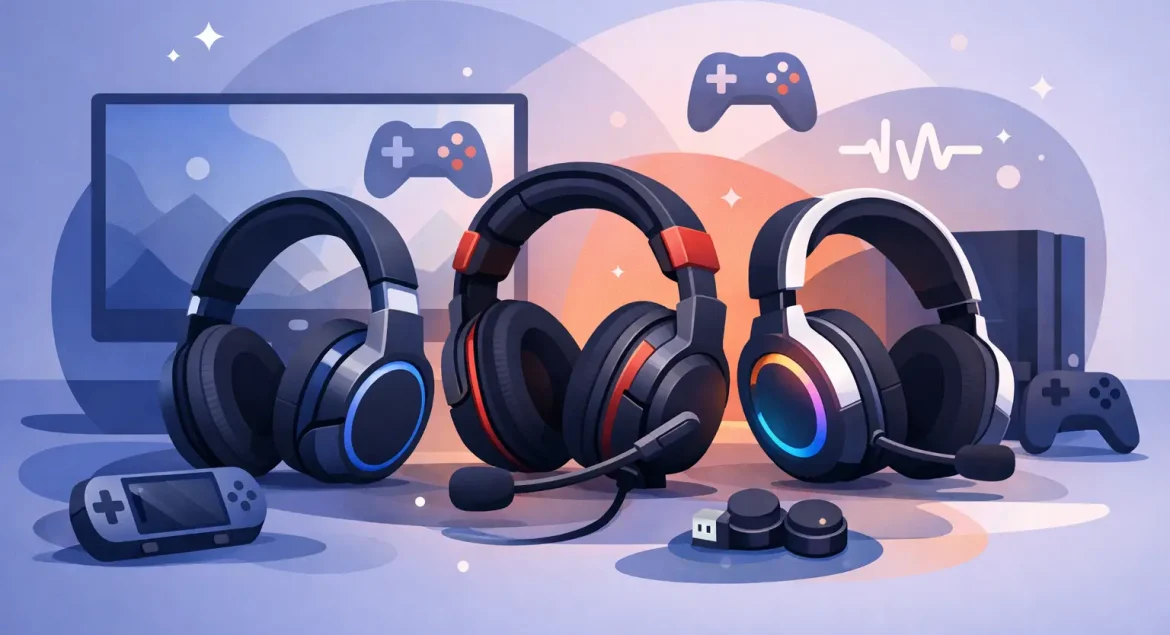
A cheap headset usually tells on itself fast. The ear cups get hot, the mic sounds thin, and footsteps in multiplayer matches blur into background noise. If you are shopping for the best gaming headset under 100, the goal is not just to spend less. It is to get the right mix of sound, comfort, mic quality, and platform support without paying for features you will never use.
This price range is crowded for a reason. It sits in the practical middle where students, casual players, and everyday console and PC gamers want strong value without stepping into premium pricing. There are plenty of good options here, but the differences matter more than the marketing suggests.
How to choose the best gaming headset under 100
The first decision is wired or wireless. Under $100, wired headsets usually offer stronger sound quality and a better mic for the money. They are simple, reliable, and easy to use across controllers, laptops, desktops, and handheld devices. Wireless models add convenience, but battery life, connection stability, and microphone quality can vary more at this budget.
Driver size gets attention, but tuning matters more. A 50mm driver does not automatically mean better sound than a 40mm driver. What matters is whether the headset handles directional cues clearly and keeps bass under control. Too much low end can make explosions sound big, but it can also bury footsteps, reloads, and voice chat.
Comfort should sit near the top of the list. If you play for more than an hour at a time, clamping force, ear pad material, and overall weight make a real difference. Breathable fabric pads often stay cooler than synthetic leather, but leatherette can give a better seal and stronger bass. There is no perfect choice here. It depends on room temperature, head shape, and how long you wear the headset in one session.
Microphone quality also deserves more attention than many buyers give it. If you mostly play single-player games, an average mic may be fine. If you are on Discord, in team chat, or using the headset for classes and calls, a cleaner mic is worth paying for. Look for mics that keep your voice clear without sounding distant or overly compressed.
What matters most in this price range
At under $100, the best headsets tend to win in one of two ways. Some deliver balanced performance across sound, comfort, and microphone quality. Others are especially strong in one area, like wireless freedom or competitive audio positioning, and simply acceptable everywhere else.
That is why there is no single best pick for everyone. A console player sitting a few feet from a TV may want a simple wired headset with a 3.5mm connection. A PC gamer may care more about software support, USB audio processing, or a detachable mic. Someone buying for a teenager may prioritize durability and easy controls over fine-tuned sound staging.
Best gaming headset under 100 for most buyers
For most shoppers, the strongest value usually comes from established models from brands like HyperX, SteelSeries, Razer, Corsair, Logitech G, and JBL. These brands tend to cover the basics well, and they usually offer clearer platform compatibility, replacement support, and more consistent build quality than off-brand alternatives.
HyperX often stands out in this bracket because comfort is consistently strong. Many of its wired models have soft padding, a balanced sound profile, and microphones that are good enough for regular team chat. They are not always the most detailed-sounding headsets, but they are dependable and easy to recommend.
SteelSeries is often a smart choice if you care about a lighter fit and a more restrained design. Some models lean toward clean, competitive-friendly sound rather than heavy bass. That can be a better fit for shooters and online play, though players who want extra impact for movies and single-player games may prefer something warmer.
Razer and Corsair usually bring more feature-driven options to this price point. You may get RGB lighting, USB connectivity, or stronger virtual surround integration, depending on the model. The trade-off is that extra features do not always mean better raw audio. If your focus is pure value, it is worth checking whether those add-ons matter to your setup.
Wired vs wireless under $100
If you want the safest buy, wired is still the better category. A good wired headset under $100 can sound fuller, capture voice more clearly, and avoid charging altogether. It is also easier to use across Xbox, PlayStation, Nintendo Switch, PC, tablets, and phones with the right port.
Wireless can still be a good fit if convenience is your top priority. Not dealing with a cable on the couch or at a desk is genuinely useful. But under $100, you should expect compromises somewhere. It may be lighter bass, a weaker mic, shorter battery life, or more plastic-heavy construction.
For console players especially, connection method matters. Some wireless headsets work well on PC but have limited support on Xbox. Others rely on USB dongles that are perfect for PlayStation and desktop use but less flexible elsewhere. Before buying, make sure the headset supports your exact platform and not just gaming in general.
Sound quality: what you can realistically expect
A headset under $100 will not sound like a dedicated pair of audiophile headphones with a separate microphone. That said, this budget is more than enough for enjoyable gaming audio if expectations are realistic.
Look for clear mids and controlled bass. Voices should sound natural, not buried. Gunfire and in-game effects should have impact without turning muddy. If a headset is marketed around extreme bass, be careful. That tuning can make action games feel exciting for a few minutes, but long sessions often become fatiguing, and positional detail can suffer.
Virtual surround sound is another feature that needs context. Some players like it, especially in cinematic games. Others turn it off immediately because it can make audio feel processed or less precise. Stereo performance is still the better benchmark. If a headset sounds good in stereo, surround modes are just optional extras.
Comfort and build quality are deal-breakers
A headset can have decent sound and still be a bad buy if it becomes uncomfortable after one match. This is where trusted brands usually justify their price. Better headband padding, more flexible frames, and better-balanced weight are often worth more than flashy specs.
If possible, look at the ear cup shape as well as the material. Larger oval cups are usually better for over-ear comfort. Smaller round cups can press against the ear depending on fit. Adjustable steel-reinforced headbands also tend to last longer than all-plastic frames, especially in shared households where gear gets used hard.
Detachable cables and removable mics are useful at this budget because they extend lifespan. If one part fails, the headset may still be usable. That matters if you are buying for regular daily use rather than occasional gaming.
Best gaming headset under 100 by use case
If you mainly play competitive shooters, prioritize clear positional audio, a stable fit, and a mic that cuts through chat clearly. A neutral or slightly bright sound signature is often better than boosted bass.
If you play story-driven games, open-world titles, and watch streams or movies on the same headset, a fuller and warmer tuning may be more enjoyable. You are less likely to care about perfect footstep detail and more likely to want comfort for long sessions.
If you need one headset for gaming, work calls, and school, microphone quality and all-day comfort become central. In that case, a simpler wired model from a known brand is often the smartest buy.
If you are buying for kids or teens, ease of use matters. Inline controls, simple 3.5mm connectivity, and durable hinges are often better choices than software-heavy models that need more setup.
Common mistakes when buying in this category
The biggest mistake is chasing specs instead of real use. Bigger drivers, RGB lighting, and virtual surround logos can distract from the basics. If the headset is uncomfortable or the mic is poor, those extras will not help.
Another common mistake is ignoring platform compatibility. A headset may technically connect, but that does not mean every feature works. Volume control, microphone support, USB audio features, and wireless pairing can vary by device.
It is also easy to overpay for branding. Some entry-level models from premium gaming brands are fine, but not every product in a strong lineup is automatically the best value. Compare what you are actually getting: build quality, mic performance, controls, connection type, and warranty support.
For buyers sorting through multiple brands and configurations, a retailer with broad gaming, audio, and accessory selection like Tech 2 Tech can make that process easier because you can compare by brand, category, and platform fit instead of guessing from packaging alone.
The right headset under $100 is the one that fits the way you actually play. If you want the safest choice, go wired, prioritize comfort, and buy from a brand with a solid track record in gaming audio. Spend your budget on sound, mic quality, and fit first. Everything else is secondary, and that is usually where the good deals are.